
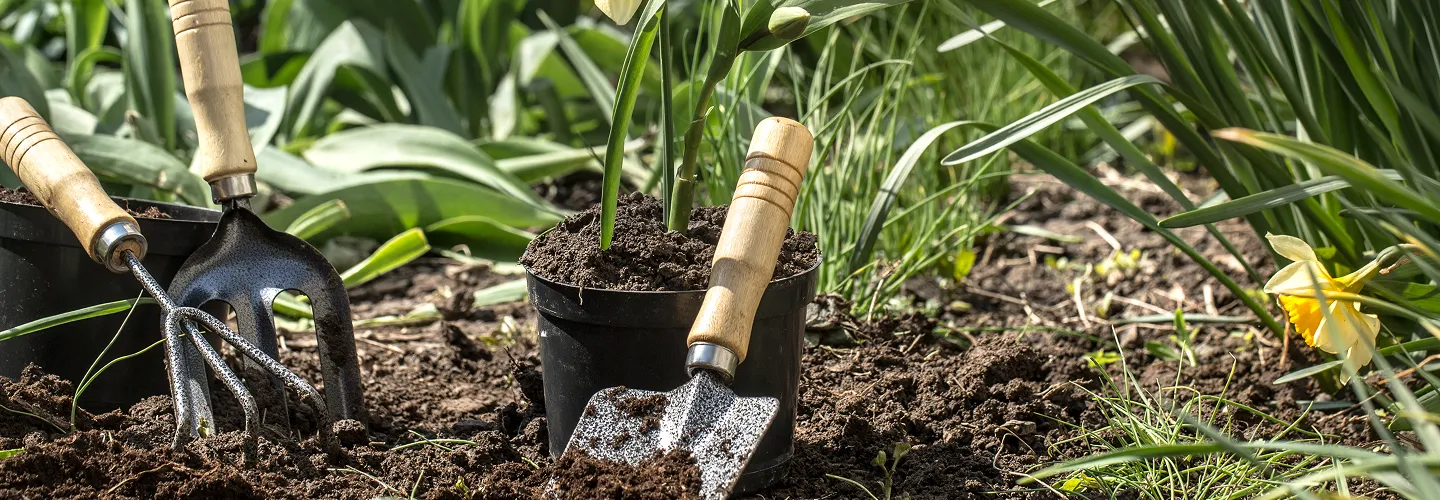
Glocester Flower Planting Services
Choose our flower planting services for vibrant, healthy blooms that enhance your home's curb appeal and create a welcoming outdoor space you'll love all season long.
Get a Free QuoteOur Glocester Landscaping & Yard Care Services
When to Schedule Flower Planting in Glocester, Rhode Island – Seasonal Guide
Flower planting in Glocester, Rhode Island, is best scheduled with careful attention to the region’s unique climate and landscape. The optimal planting windows typically fall in late spring, after the last frost—usually mid-May for neighborhoods like Chepachet and Harmony—or in early fall, when soil temperatures remain warm but the risk of drought diminishes. Glocester’s rolling terrain and mix of shaded woodlands and open fields mean that microclimates can vary even within a single property, so it’s important to assess your specific site conditions before planting.
Local environmental factors such as late spring frosts, high summer humidity, and the well-drained, sometimes rocky soils common near Waterman Lake all play a role in determining the best time for flower planting. Homeowners should also consider municipal guidelines and resources, such as those provided by Sudbury’s local government, to stay informed about any seasonal restrictions or recommendations. By tailoring your planting schedule to Glocester’s conditions, you’ll help ensure vibrant, healthy blooms throughout the growing season.
Local Factors to Consider for Flower Planting in Glocester
- Proximity to dense tree cover, which affects sunlight and moisture
- Variations in soil type, especially in areas near lakes or wooded lots
- Average precipitation and risk of late spring or early fall frosts
- Terrain slope and drainage, particularly on hilly properties
- Local municipal restrictions or watering guidelines
Benefits of Flower Planting in Glocester
Enhanced Curb Appeal
Increased Property Value
Expert Plant Selection
Seasonal Color Variety
Low-Maintenance Solutions
Eco-Friendly Landscaping
Glocester Flower Planting Types

Perennial Flower Beds
-
Annual Flower Displays
-
Native Wildflower Gardens
-
Shade Garden Plantings
-
Pollinator-Friendly Borders
-
Seasonal Bulb Planting
-
Container Flower Arrangements
Our Flower Planting Process
Site Evaluation
Soil Preparation
Plant Selection
Careful Planting
Watering and Mulching
Why Choose Glocester Landscape Services
-
Glocester Homeowners Trust Us
-
Expert Lawn Maintenance
-
Reliable Seasonal Cleanups
-
Competitive Pricing
-
Professional Team
-
Satisfaction Guarantee
-
Personalized Service
Glocester’s Predominant Soil Series and Site Preparation for Flower Planting
Glocester’s landscape is shaped by glacial till soils, primarily the Charlton-Chatfield and Sutton series, which are moderately acidic (pH 5.5-6.5) and often stony with variable drainage. These conditions require careful site assessment before flower planting. Poorly drained areas may exhibit a seasonal water table at 12-18 inches, necessitating raised beds or subsurface drainage. Soil testing is recommended through the University of Rhode Island Cooperative Extension (typical cost: $15-25) to determine amendment needs. Common amendments include:
- Lime application for pH below 6.0
- Compost incorporation: 2-3 inches tilled to 6-inch depth
- Sand or gravel for improved drainage in compacted sites Research local soil characteristics using the USDA Web Soil Survey to guide plant selection and site preparation. Compliance with Glocester’s land use policies is required for any significant grading or fill work.
Glocester RI Planning Department
1145 Putnam Pike, Glocester, RI 02814
Phone: (401) 568-6206
Official Website: Glocester RI Planning Department
Seasonal Timing and Weather Considerations for Flower Planting in Glocester
Glocester is located in USDA Hardiness Zone 6a-6b, with average last frost dates between May 10-20 and first frost typically in mid-October. Optimal planting windows for annuals and perennials are:
- Spring: May 15 – June 15 (soil temp 55-65°F)
- Fall: September 1 – October 1 (for hardy perennials and bulbs) Avoid planting during July-August due to heat stress and potential drought. Monitor local forecasts through the National Weather Service Boston/Norton Office for frost advisories and rainfall patterns. For large municipal or public plantings, coordinate with Glocester’s Department of Public Works to ensure compliance with seasonal maintenance schedules and irrigation restrictions.
Glocester RI Department of Public Works
50 Chestnut Hill Road, Glocester, RI 02814
Phone: (401) 568-5540
Official Website: Glocester RI Department of Public Works
Native and Recommended Flower Species for Glocester’s Microclimate
Selecting species adapted to Glocester’s climate and soils improves establishment and reduces maintenance. Recommended options include:
- Full sun: Black-eyed Susan (Rudbeckia hirta), purple coneflower (Echinacea purpurea), daylily (Hemerocallis spp.)
- Partial shade: Coral bells (Heuchera americana), astilbe (Astilbe spp.), hosta (Hosta spp.)
- Deer resistant: Lavender (Lavandula angustifolia), Russian sage (Perovskia atriplicifolia), salvia (Salvia nemorosa)
- Native: Wild bergamot (Monarda fistulosa), Joe Pye weed (Eutrochium purpureum), cardinal flower (Lobelia cardinalis) Spacing should be 12-24 inches depending on mature size. For guidance on plant selection and pest management, consult the University of Rhode Island Cooperative Extension. Avoid invasive species as listed by the Rhode Island Invasive Species Council.
Municipal Regulations and Environmental Compliance for Flower Planting in Glocester
Flower planting projects in Glocester must comply with local ordinances and state environmental laws, including the Rhode Island Environmental Rights Act. Key requirements include:
- Maintain a 25-foot no-disturbance buffer from wetlands and streams
- No fertilizer or pesticide application within 50 feet of water bodies
- Equipment operation hours:
- Monday-Friday: 7:00 AM - 7:00 PM
- Saturday: 8:00 AM - 6:00 PM
- Sunday/holidays: Prohibited
- All debris must be disposed of through approved municipal programs; plastic bags are prohibited Glocester’s MS4 permit under the Clean Water Act prohibits soil or plant debris in storm drains. For projects near protected areas, coordinate with the Planning Department for permit review (typical review: 10 business days).
Glocester RI Building & Zoning Department
1145 Putnam Pike, Glocester, RI 02814
Phone: (401) 568-6206
Official Website: Glocester RI Building & Zoning Department
Rhode Island Department of Environmental Management
235 Promenade Street, Providence, RI 02908
Phone: (401) 222-4700
Official Website: Rhode Island Department of Environmental Management
Safety Protocols and Equipment Standards for Flower Planting in Glocester
All flower planting activities in Glocester must adhere to municipal safety standards and equipment regulations. Required personal protective equipment (PPE) includes:
- Eye protection: ANSI Z87.1 safety glasses
- Hearing protection: Earmuffs or plugs for 85+ dB noise
- Footwear: Steel-toed boots, non-slip soles
- Gloves: Cut-resistant for pruning, chemical-resistant for applications Equipment such as tillers and mowers must be commercial-grade and maintained with blade sharpening every 20-25 hours. Maintain a 15-foot clearance from overhead utilities and a 25-foot buffer from wetlands. For public or roadside plantings, high-visibility vests are required within 50 feet of roadways. The Department of Public Works provides guidance on traffic control and equipment staging for large projects.
What Neighborhoods Do We Serve Throughout Glocester, RI?
- Chepachet Village: Historic district with mature trees, compacted soils, and proximity to the Chepachet River, requiring careful buffer management and attention to drainage.
- Harmony: Features larger lots and newer developments with moderately well-drained soils, but some areas have shallow bedrock affecting planting depth.
- West Glocester: Rural area with extensive forest cover, rocky soils, and frequent deer pressure, making deer-resistant species and soil amendment essential.
- East Glocester: Includes residential subdivisions with moderate slopes and variable drainage, necessitating erosion control and proper site grading.
- Lake Washington Area: Properties near water bodies must observe strict 25-foot wetland buffers and avoid fertilizer use within 50 feet of the shoreline.
- Putnam Pike Corridor: Commercial and mixed-use zone with compacted urban soils and limited planting space, requiring raised beds and regular soil amendment.
- Durfee Hill: Adjacent to conservation land, with sandy loam soils and high wildlife activity, making native and pollinator-friendly plantings especially beneficial.